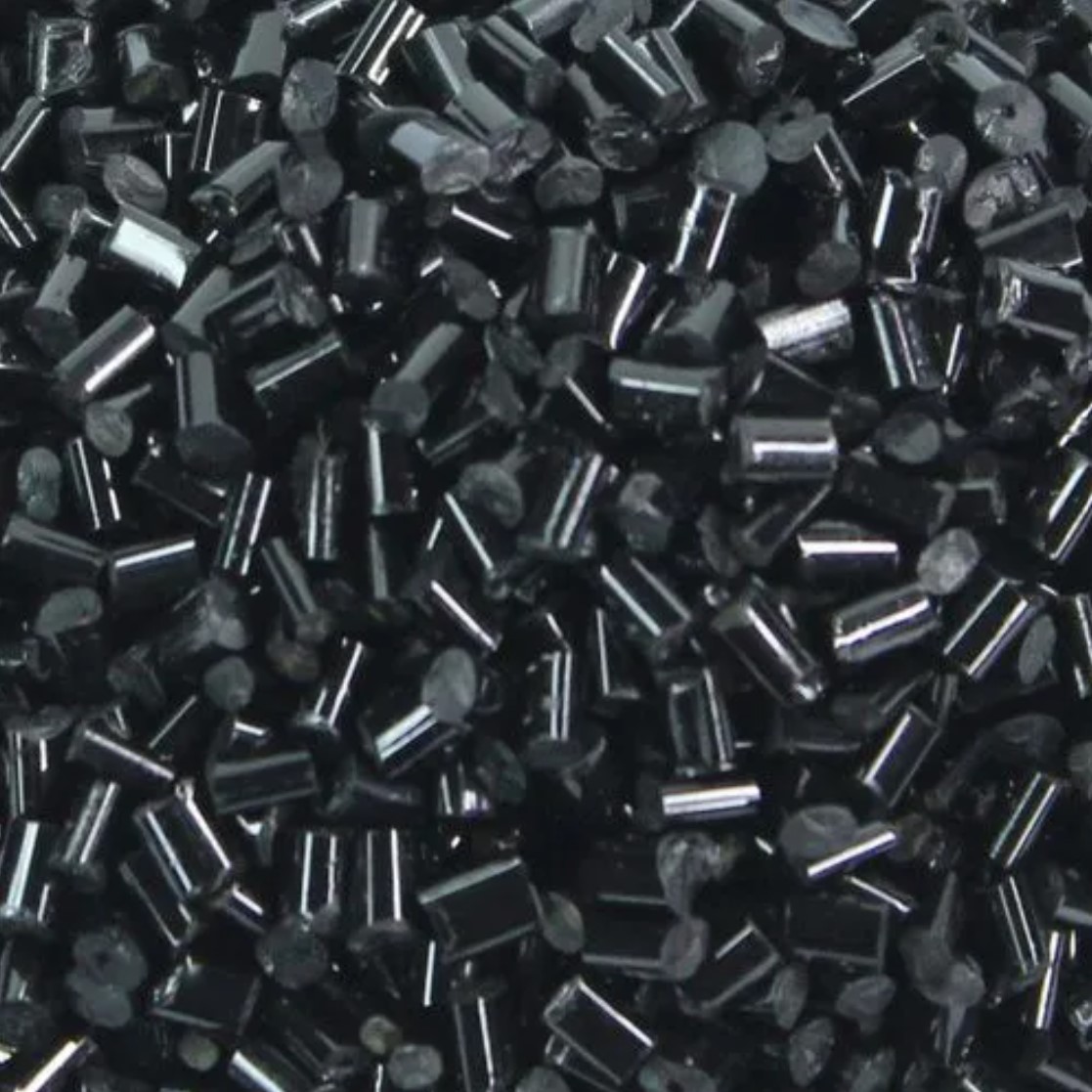
色母料有多少样
我们来了解一下色母料的分类。按照不同的添加剂成分,可以将色母料分为有机色母料、无机色母料和功能性色母料三大类。有机色母料主要以有机染料为基础,添加一定量的添加剂,具有良好的分散性和染色性,广泛应用于各种塑料制品中。无机色母料则以无机颜料为基础,具有很高的耐光、耐热和耐化学性能,适用于需要特殊功能的塑料制品。功能性色母料则是根据不同的需求,添加一定的功能性添加剂,例如抗静电、阻燃等,使得色母料具备更多的功能。
不同类型的色母料又可以根据颜色、色度和用途进行进一步的细分。颜色是色母料最基本的特征,可以分为红、黄、蓝、绿、黑、白等基本颜色,同时也可以通过混合不同颜色的色母料来获得更多的颜色变化。色度则指的是颜色的深浅和饱和度,通过改变色母料的配方和浓度可以调节颜色的变化。而用途则是指色母料所应用的领域和行业,例如食品包装、家居用品、建筑材料等,不同的用途对色母料的要求也不同。
随着科技的不断进步和市场需求的变化,新型的色母料也不断涌现。近年来,高浓度、高光泽、高透明度等特殊性能的色母料逐渐受到市场的关注。高浓度色母料可以在较低的配方添加量下获得更高的颜色浓度,降低生产成本;高光泽色母料则能够赋予塑料制品更好的外观效果,提升产品的附加值;而高透明度色母料则适用于需要透明效果的塑料制品,例如透明包装材料等。
色母料的种类多种多样,不仅仅是基本颜色的变化,更是在不同的添加剂成分和功能特性上的不断丰富和创新。随着科技的不断进步和市场的需求变化,我们相信未来色母料的发展将会更加多样化和个性化,为塑料制品的颜色设计和功能改善提供更多的选择和可能性。
【参考翻译】:
How Many Types of Masterbatch Are There?
Masterbatch is a colorant additive widely used in plastic processing, providing rich colors to plastic products. With the continuous expansion and diversification of the plastic product market, the types of masterbatch have also increased to meet various different needs.
Firstly, let's understand the classification of masterbatch. Masterbatch can be divided into three main categories organic masterbatch, inorganic masterbatch, and functional masterbatch, according to different additive compositions. Organic masterbatch is mainly based on organic dyes, with the addition of certain additives. It has good dispersion and dyeing properties, and is widely used in various plastic products. Inorganic masterbatch is based on inorganic pigments, with high light resistance, heat resistance, and chemical resistance. It is suitable for plastic products that require special functions. Functional masterbatch adds functional additives, such as anti-static and flame retardants, according to different needs, giving the masterbatch more functionalities.
Secondly, different types of masterbatch can be further subdivided based on color, chromaticity, and application. Color is the most basic characteristic of masterbatch, which can be divided into basic colors such as red, yellow, blue, green, black, and white. More color variations can also be obtained by mixing different colors of masterbatch. Chromaticity refers to the depth, saturation, and hue of the color, which can be adjusted by changing the formulation and concentration of the masterbatch. Application refers to the fields and industries where the masterbatch is used, such as food packaging, household goods, and construction materials, with different requirements for masterbatch.
In addition, with the continuous progress of technology and changing market demand, new types of masterbatch are constantly emerging. In recent years, high concentration, high gloss, high transparency, and other special performance masterbatch have gradually attracted market attention. High concentration masterbatch can achieve higher color intensity with lower formulation amount, reducing production costs. High gloss masterbatch can give plastic products better appearance and increase added value. High transparency masterbatch is suitable for transparent plastic products, such as transparent packaging materials.
In conclusion, there are various types of masterbatch, not only in terms of basic color variations but also in terms of the composition of additives and functional characteristics. With the continuous progress of technology and the changing market demand, we believe that the development of masterbatch will become more diversified and personalized in the future, providing more choices and possibilities for color design and functional improvement of plastic products.