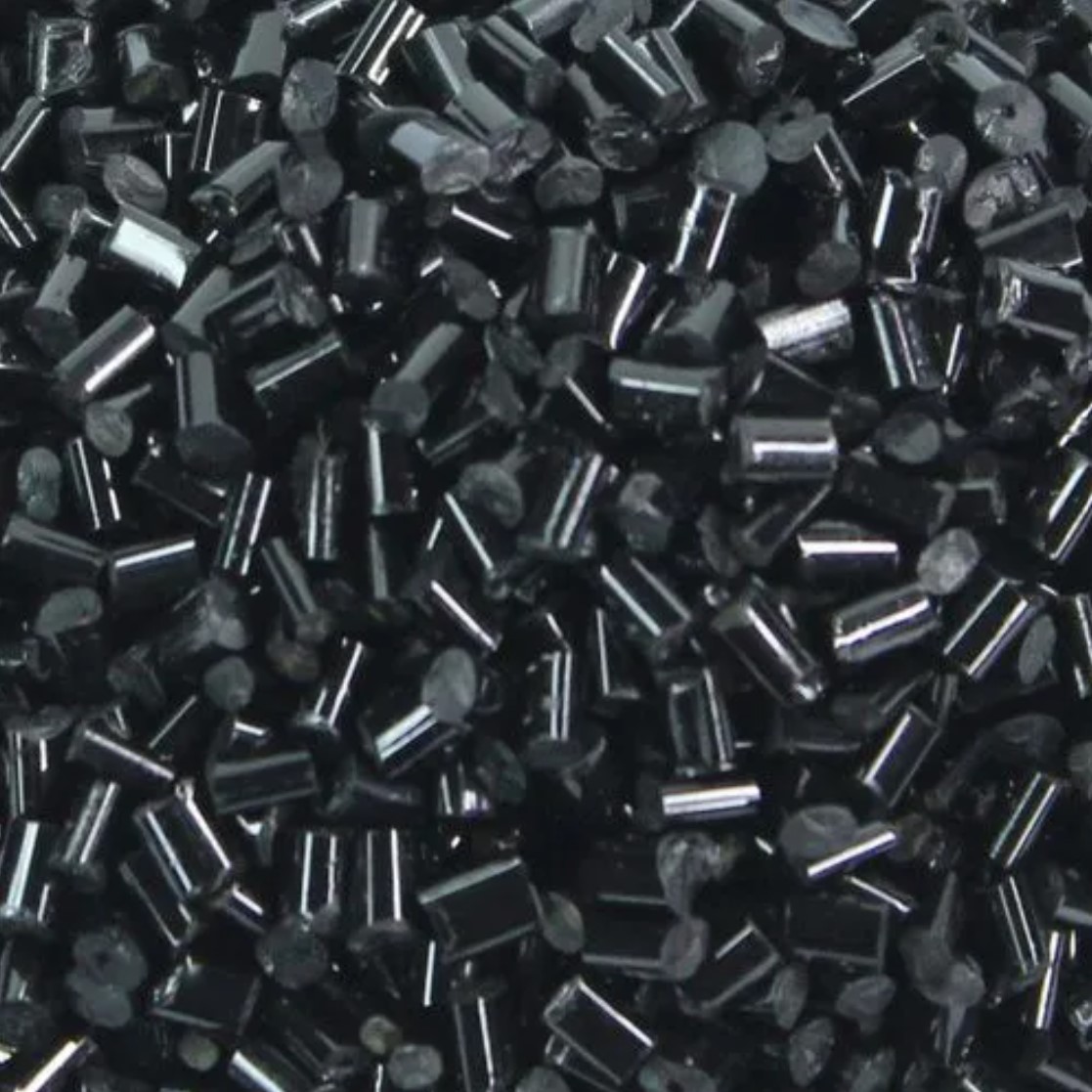
防静电木纹色母粒定制
静电是一种常见的问题,尤其是在木纹塑料制品中。静电的产生不仅会影响产品的外观质量,还可能对周围环境和人员产生不良影响。为了解决这一问题,防静电木纹色母粒的定制应运而生。本文将探讨防静电木纹色母粒定制的技术与应用。
了解木纹色母粒的基本概念对于定制防静电木纹色母粒至关重要。木纹色母粒是一种特殊的色母粒,其特点是能够使塑料制品表面形成类似于木纹的图案和质感。这种效果是通过将适量的木纹添加剂加入到聚合物中,并通过挤出、注塑等工艺进行制品成型而实现的。木纹色母粒的定制包括选择适当的木纹效果、调整木纹色调和质感等步骤。
要实现防静电效果却不是一件容易的事情。木纹塑料制品存在静电现象主要是由于木纹涂层或木纹色母粒中的添加剂的导电性不足或缺失。因此,定制防静电木纹色母粒需要通过增加导电性添加剂来解决这一问题。常用的导电性添加剂包括碳黑、金属粉末、导电纤维等。这些添加剂能够增加木纹色母粒的导电性,有效地消除静电现象。
除了导电性添加剂,还需要考虑木纹色母粒的木纹效果和色调调整。木纹效果的定制多依赖于木纹粉末的选择和加工工艺。木纹粉末可以根据客户的需求和应用场景进行调整,以实现不同的木纹效果。色调调整则需要根据产品使用环境和客户喜好进行精细调整,以达到的视觉效果。
木纹色母粒的质感也是定制中的重要考虑因素。质感主要是由木纹涂层的加工工艺和木纹粉末的粒度控制所决定的。定制防静电木纹色母粒需要根据实际应用场景和产品要求,选择合适的质感,以提升产品的触感和审美价值。
防静电木纹色母粒的定制应用非常广泛。例如,在家具制造行业中,木纹塑料制品能够替代天然木材,减少木材的使用量,降低成本,并且具有更好的防水、耐磨、耐腐蚀等特性。在电子器材制造行业中,防静电木纹色母粒能够有效避免电子产品静电累积,提高产品的安全性和稳定性。因此,定制防静电木纹色母粒可以满足不同行业的需求。
定制防静电木纹色母粒是解决静电问题的有效措施。通过选择合适的导电性添加剂、调整木纹效果和色调,以及控制质感等因素,能够实现防静电效果和满足不同行业的需求。防静电木纹色母粒的应用前景广阔,并将为塑料制品的发展带来更多创新和机遇。
【参考译文】
Customization of Anti-static Wood Grain Masterbatch
Static electricity is a common problem, especially in wood grain plastic products. The generation of static electricity not only affects the appearance quality of the products, but also may have adverse effects on the surrounding environment and personnel. In order to solve this problem, the customization of anti-static wood grain masterbatch has emerged. This article will discuss the technology and application of customizing anti-static wood grain masterbatch.
Firstly, understanding the basic concept of wood grain masterbatch is crucial for customizing anti-static wood grain masterbatch. Wood grain masterbatch is a special type of masterbatch that can create wood grain patterns and textures on the surface of plastic products. This effect is achieved by adding an appropriate amount of wood grain additives to the polymer and forming the products through extrusion, injection molding, and other processes. The customization of wood grain masterbatch includes selecting the appropriate wood grain effect, adjusting wood grain hues, and textures.
However, achieving anti-static effects is not an easy task. The static electricity in wood grain plastic products is mainly caused by insufficient or lack of conductivity additives in wood grain coatings or wood grain masterbatch. Therefore, customizing anti-static wood grain masterbatch requires the addition of conductive additives to solve this problem. Commonly used conductive additives include carbon black, metal powders, conductive fibers, etc. These additives can increase the conductivity of wood grain masterbatch and effectively eliminate static electricity.
In addition to conductive additives, the wood grain effect and color adjustment of wood grain masterbatch also need to be taken into consideration. The customization of wood grain effect is often dependent on the selection of wood grain powders and processing techniques. Wood grain powders can be adjusted according to customer's needs and application scenarios to achieve different wood grain effects. Color adjustment, on the other hand, requires fine-tuning based on the product's usage environment and customer preferences to achieve the best visual effects.
Furthermore, the texture of wood grain masterbatch is also an important factor to consider in customization. Texture is mainly determined by the processing techniques of wood grain coatings and the control of wood grain powder particle size. Customization of anti-static wood grain masterbatch requires the selection of suitable textures according to the actual application scenarios and product requirements, in order to enhance the product's touch and aesthetic value.
The application of custom anti-static wood grain masterbatch is very extensive. For example, in the furniture manufacturing industry, wood grain plastic products can replace natural wood, reduce the use of wood, lower costs, and have better characteristics such as water resistance, wear resistance, and corrosion resistance. In the electronic equipment manufacturing industry, anti-static wood grain masterbatch can effectively avoid the accumulation of static electricity in electronic products, improving product safety and stability. Therefore, customizing anti-static wood grain masterbatch can meet the needs of different industries.
In conclusion, customizing anti-static wood grain masterbatch is an effective measure to solve static electricity problems. By selecting appropriate conductive additives, adjusting wood grain effects and color tones, as well as controlling textures, it is possible to achieve anti-static effects and meet the needs of different industries. The application of anti-static wood grain masterbatch has broad prospects and will bring more innovation and opportunities to the development of plastic products.